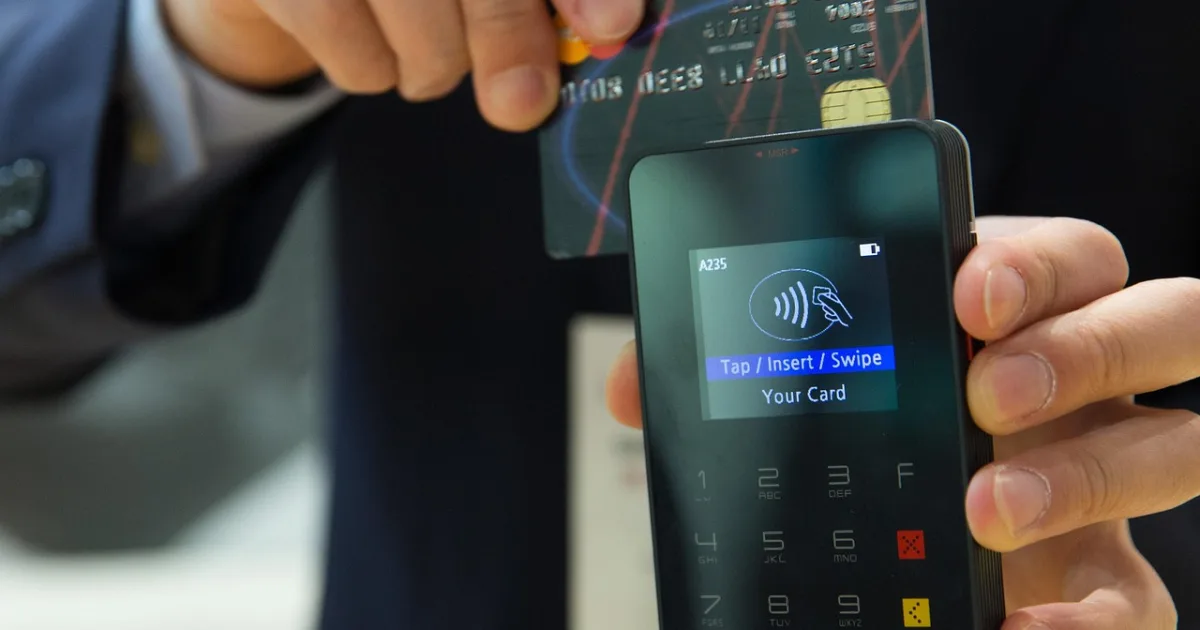
On a coffee robot, nobody works the till: the payment terminal is the only thing taking money. If it refuses a card, loses its connection or breaks down, the sale is lost, often without you noticing. Its choice and its monitoring therefore weigh directly on margin and on the profitability of the machine, just like the location or the products. Here is what to check before you invest.
The terminal is the cash register of a point of sale with no staff
In a regular café, when the card terminal stops working, the waiter offers to pay in cash or to settle later. In front of a robot, the customer has no one to talk to. They try a second time, then they leave.
Buying a coffee is quick and the amount is small. A customer will not wait ten minutes, and will go and get their coffee somewhere else. One hour of downtime at the morning break, in a station or in an office building, costs more than a full day of downtime on a Sunday in a deserted place.
The margin of a coffee robot depends on the number of drinks sold, the location and the products offered. The reference figures (prices, margin per drink, scenarios) are detailed and kept up to date on the investment page. Payment does not create sales, but it can make you lose a lot of them.
The payment methods to accept
The more ways a customer has to pay, the fewer sales you lose. The common methods are:
- contactless bank card, now the most natural gesture for a small amount;
- payment by phone or watch, widely used by part of the public;
- bank card with PIN, for higher amounts or for cards that require it;
- cash, still expected by some customers.
Each payment method has its constraints. Cash requires regular collection, counting, giving change, and particular attention to the risk of theft, and a coin mechanism is one more mechanical part that can jam. Card or phone payments avoid these handling tasks, but they carry a fee on every sale.
The right choice depends on the location. A campus, a station, a gym and an office building do not have the same public or the same habits. In a company, the question of a badge or an internal payment method may also arise: it should be studied with the site and with the payment provider.
Connection, the weak point people forget
For most card payments, the terminal has to reach the bank within a few seconds. Without a connection, it refuses payments or holds them pending, depending on its settings, and the customer leaves without a drink.
There are generally three options: mobile network, the site's wifi, or a network cable. Each carries its risks:
- the mobile network performs poorly in a basement, a car park, a very enclosed shopping centre or certain areas of a station;
- the site's wifi depends on a third party: a changed password, a rebooted router or an overnight outage is enough to stop sales;
- a network cable is more reliable, but a socket must be available at the exact spot where the machine stands.
Test the signal at the planned location before signing, at several times of the day. If the machine depends on the site's network or electricity, put it in writing in the contract: the article on the coffee robot location contract details the clauses to negotiate.
Fees and commissions: what is deducted from each sale
Every card payment has a cost. Depending on the provider, it can include a commission per transaction (a percentage, a fixed amount, or both), a monthly subscription and fees linked to the terminal itself.
On a small amount, a fixed fee per transaction weighs proportionally more than on a large purchase. So compare offers on your real average basket, not on an example at €50. Two offers that look close can produce a noticeable gap over thousands of coffees a year.
Also look at how long it takes for takings to be paid into your account, as it affects your cash flow, especially at the start. All these charges go into the margin calculation, as explained in the article on coffee robot profitability and how to calculate margin.
Breakdowns and disruptions: detecting them before your customers do
A terminal can malfunction in many ways: it goes offline, its contactless reader stops responding, an update gets stuck, its screen freezes, or it refuses payments in series because of a disruption at the provider.
The most costly breakdown is the one you don't see. A machine that displays its drinks normally but no longer takes payments can lose a full day of sales before anyone notices. Before investing, ask these questions:
- are you alerted remotely when the terminal stops working or when payments fail?
- can you view the transaction log in real time?
- who intervenes in case of breakdown (the machine seller, the payment provider, you yourself) and within what time frame?
- is a replacement part available quickly?
Accepting two independent payment methods also limits the damage: if one fails, the other keeps taking payments. The article on the risks of investing in a coffee vending machine places these breakdowns among the other risks to anticipate.
Refunds: the customer who paid but was not served
It sometimes happens that a payment is accepted but the drink is not served: product sold out, preparation fault, missing cup. What matters then is how the customer gets their money back.
Check whether the refund is automatic or manual, which contact is displayed on the machine and how long the customer waits to be refunded. A customer who is poorly refunded does not come back, and tells others about it, or posts it online. The information to display on the machine is one of the points covered in the article on coffee robot regulations in France.
Questions to ask before investing
Before choosing a machine and a payment provider, go through these questions:
- Which payment methods does the machine accept, and can more be added?
- Is the terminal supplied with the machine, or must it be taken out separately, and with whom?
- Which connection does it use, and is the signal sufficient at the intended location?
- How much do the commissions and fixed fees cost, calculated on your average basket?
- How are you alerted to a breakdown, and who repairs it?
- How is a customer refunded when their drink is not served?
- Can the sales recorded by the machine be easily matched against bank receipts?
This last point is often overlooked. Yet it simplifies your accounting and your VAT return, covered in the article on coffee robot taxation.
Tracking payments in your dashboard
Once the machine is in service, payments are monitored like everything else. Four indicators are enough:
- the rate of refused or abandoned payments;
- the time spent offline over the month;
- the share of each payment method in sales;
- the total of commissions and fees, relative to revenue.
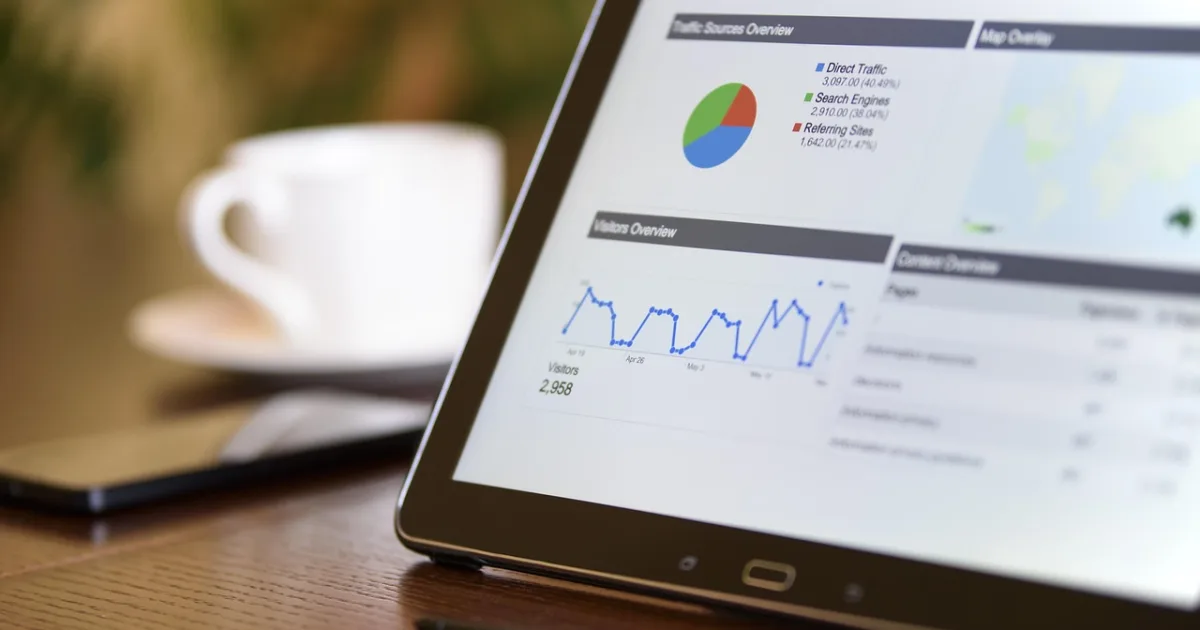
A rising refusal rate or repeated outages at the same time of day often point to a connection or hardware problem, which should be fixed before it becomes too costly. The article on the coffee robot dashboard explains how to integrate these figures into your monthly margin tracking.
A technical detail that weighs on margin
The payment terminal will never sell one extra coffee on its own. But if it is poorly chosen, poorly connected or poorly monitored, it can wipe out part of the margin of a good location. Checking it before investing takes little time. To discover the machine, see the coffee robot page; for the figures, see the investment page.
If you would like to review these points for your project, you can contact us: we will discuss it simply, with no commitment.